SW13 garden rubbish removal Barnes Common tips
Posted on 17/07/2026
SW13 Garden Rubbish Removal Barnes Common Tips: a Practical Local Guide for Cleaner, Easier Clear-Ups
If you are dealing with a messy border, a pile of hedge cuttings, or the kind of garden clutter that seems to breed after one weekend of pruning, you are in the right place. This guide to SW13 garden rubbish removal Barnes Common tips is built for real-life jobs in and around Barnes Common: awkward branches, damp soil bags, old pots, broken fences, and everything in between.
Garden waste sounds simple until you are the one moving it. Then the wheelbarrow feels too small, the bags feel heavier than expected, and the back gate suddenly looks narrower than it did yesterday. To be fair, that is exactly why a bit of planning makes such a difference. Below you will find clear, local-minded advice on sorting, lifting, loading, and choosing the right removal approach without wasting time or making extra work for yourself.
For broader service details, it can also help to look at garden waste removal in Barnes and the wider services overview so you can match the job to the right support.
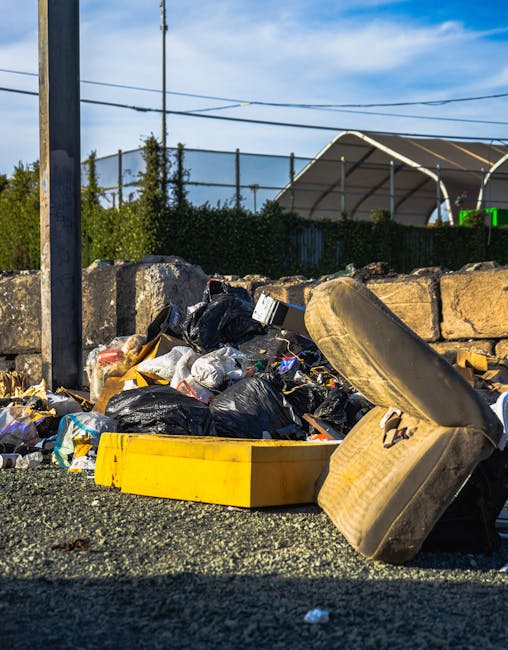
Why SW13 garden rubbish removal Barnes Common tips Matters
Barnes Common and the surrounding SW13 streets have a very particular feel. Green, residential, often tidy, and a little bit discreet. That means garden waste is not just something to pile up until later; it can become an eyesore quickly, especially if wind, rain, or one enthusiastic pruning session turns a neat corner into a sprawling heap.
Good garden rubbish removal matters for a few simple reasons. First, it keeps outdoor spaces usable. Second, it helps prevent damp, pests, and slips from rotting foliage or awkward debris. Third, it keeps shared entrances, narrow side paths, and front drives manageable, which matters more than people think in local London streets. And if you are trying to sell, rent, or just enjoy the garden without tripping over cut branches, the difference is immediate.
There is also the sustainability angle. Garden waste is one of those categories where sorting correctly really helps. Clean green material, woody cuttings, soil, old plant pots, timber offcuts, and broken fixtures do not all belong in the same pile. A little care at the start tends to save hassle later. That is the point of these Barnes Common tips: less faff, less lifting, and fewer mistakes.
If you live locally and are also looking at broader property or lifestyle context, some readers find it useful to browse related local pages such as a locals' view of settling down in Barnes or a guide to Barnes' quieter streets and suburbs. Not essential, but it does help explain why keeping outdoor areas sharp matters here.
How SW13 garden rubbish removal Barnes Common tips Works
In practice, garden rubbish removal is a process of sorting, preparing, loading, and disposing of outdoor waste responsibly. The best results usually come from breaking the job into stages rather than trying to do everything in one chaotic sweep. That sounds obvious, but on a damp Saturday afternoon, obvious advice is often the useful kind.
The basic workflow is usually:
- Identify the waste types - green cuttings, branches, soil, turf, dead plants, timber, old garden furniture, broken pots, and mixed rubbish.
- Separate what can be reused or recycled - decent pots, salvageable timber, and clean metal fixings may be worth keeping apart.
- Bag or bundle safely - especially for thorny clippings, sharp sticks, or loose leaf matter that gets everywhere.
- Keep access clear - garden gates, alleyways, steps, and hallways should be planned for before lifting starts.
- Choose the right disposal route - collection, man and van style clearance, or skip hire depending on the volume and type of waste.
For bigger clearances, many homeowners compare professional clearance with a simpler collection approach or even a skip. If your waste is mixed and awkward, a service like rubbish clearance in Barnes may be more practical than multiple tip runs. If it is mostly green waste, then a focused garden waste removal service can be the cleaner option. Different jobs, different tools. Simple, really.
One thing people often underestimate is time. Bags fill fast. Branches catch on fences. And if the soil is wet, it weighs far more than it looks. By the time you have made two trips, the path can already look like a hedge exploded. That is where a proper plan saves the day.
Key Benefits and Practical Advantages
The best garden rubbish removal is not just about making things look tidy. It has a few concrete benefits that are worth understanding before you start.
- Less physical strain - moving heavy or bulky garden waste in one organised run is easier than lifting it repeatedly over several days.
- Cleaner access routes - front paths, side passages, and shared driveways stay safer and easier to use.
- Better sorting - separating waste properly can improve recycling outcomes and reduce contamination.
- Faster turnaround - a tidy removal process means you can get back to using the garden sooner.
- Lower clutter stress - this matters more than people admit; a messy outdoor space has a way of lingering in your head.
There is also a visual benefit that can be surprisingly big. After a clean-out, a small SW13 garden often feels twice the size. You notice the space, not the debris. The light looks better. The lawn edge feels sharper. It sounds a bit dramatic, but anyone who has cleared a packed corner after a rainy week knows exactly what I mean.
For homeowners considering a bigger reset, related services such as house clearance or garage clearance can make sense when the garden clutter has spread beyond outdoor storage. Sometimes the real issue is not the garden at all. It is the overflow from everywhere else.
Who This Is For and When It Makes Sense
This topic is relevant to a wider group than you might expect. Garden rubbish removal in Barnes Common and SW13 is useful for people in all sorts of situations:
- Homeowners doing seasonal pruning
- Renters clearing a patio before moving out
- Landlords preparing a property between tenancies
- Families reclaiming a cluttered back garden
- Older residents who prefer not to lift heavy waste themselves
- Anyone tackling an overgrown plot after a long winter
It also makes sense after bigger jobs such as landscaping, fence replacement, hedge cutting, or shed removal. If the work created timber offcuts, old screws, broken slabs, or mixed debris, you may be dealing with more than garden waste in the narrow sense. In that case, it can be useful to compare options with builders' waste clearance in Barnes, since some clear-ups straddle both categories.
And yes, timing matters. If the weather has just turned wet, leaving piles of clippings outside for too long can make the whole job heavier and smellier. Nobody wants a soggy heap sitting there for three days. Not ideal.
Step-by-Step Guidance
Here is a straightforward way to handle garden rubbish removal around Barnes Common without overcomplicating it.
1. Walk the site first
Before lifting anything, do a slow circuit of the garden. Look for branches, thorny plants, hidden rubble, rusty fixings, or anything that could snag clothing or cut hands. Check how you will move waste from the back of the garden to the front access point. You want the route clear before you start, not after the first full bag tears open.
2. Sort the waste into simple groups
Keep green waste separate from mixed rubbish. Place soil, turf, branches, and leaves together if possible. Put pots, broken tools, wire, and old plastic planters in another pile. If you have old timber, decide whether it is clean enough for recycling or whether it should go with mixed waste. The more you separate now, the less annoying the final stage becomes.
3. Pack for handling, not just for storage
Use manageable bag sizes. Overfilled bags are a classic mistake; they look efficient until you try to carry one around a corner or up steps. Bundle branches with twine or strong ties. If there are thorny cuttings, wrap them before carrying. It is a small thing, but it saves scratches and a lot of grumbling.
4. Protect walls, floors, and doorways
If waste has to pass through the house or along a narrow side return, place a covering down where possible. Mud, sap, and sharp edges are the usual culprits. In a small terrace or maisonette, this can be the difference between a clean exit and a little trail of mess that somehow ends up everywhere.
5. Decide on the removal method
For lighter jobs, a few local collection loads may be enough. For heavier or mixed loads, professional removal is often easier and safer. If you are unsure, compare with skip hire in Barnes and rubbish collection in Barnes. A skip suits some jobs well; a collection service suits others. The wrong choice can create more work than it removes.
6. Finish with a quick sweep
Once the big pieces are gone, sweep the path, check corners for screws or shards, and give the area a final look from the doorway. That final glance matters. It is often when you spot the one stubborn bag tag, broken pot shard, or length of wire that nearly escaped the whole operation.
Expert Tips for Better Results
These are the practical details that tend to make a garden clearance feel smoother and less messy.
- Cut branches to transport length rather than carrying awkward full lengths that catch on railings.
- Keep wet and dry material apart where possible. Wet cuttings and soil can turn a simple lift into a back complaint waiting to happen.
- Use the right gloves for the job. Thorny hedges and splintered timber do not forgive bare hands.
- Load by weight, not just volume. Soil and broken masonry are far heavier than leaf waste.
- Plan for access first. On a narrow Barnes street, a clear route often matters more than the pile size.
- Take photos before and after if you are a landlord or managing a move-out. It keeps expectations tidy and avoids memory playing tricks later.
Another small but valuable point: if you are doing the job over more than one day, keep the clean material separate from the dirty material from the start. Otherwise everything becomes one mixed, damp, hard-to-sort heap. The compostable stuff loses its neatness and the whole lot becomes a bit of a headache.
And if you are deciding whether the job is too much for one person, trust that instinct. Sometimes the sensible move is not to push through alone; it is to bring in help before the mess grows legs.

Common Mistakes to Avoid
Most garden clear-ups go wrong in the same few ways. Avoid these and you will already be ahead of the game.
- Mixing all waste together - this makes recycling harder and collection messier.
- Overfilling bags - a bag that cannot be safely lifted is not a win, it is just a future problem.
- Ignoring hidden weight - damp soil, wet grass, and old bricks are no joke.
- Leaving sharp waste loose - broken pots and cut wire need proper handling.
- Forgetting access constraints - steps, gates, and parked cars can derail the whole job if not considered early.
- Assuming every item is green waste - mixed debris often needs a different route.
There is also the classic mistake of starting with enthusiasm and finishing with regret. We have all seen it. A person begins with a rake, a couple of bags, and a strong cup of tea, then ends up staring at a half-cleared patio as dusk rolls in. It happens. Better to pace yourself than to create an unfinished mountain by tea time.
Tools, Resources and Recommendations
You do not need a warehouse full of equipment, but a few decent tools will make the job much easier.
- Heavy-duty garden sacks for leaves, cuttings, and light debris
- Work gloves with grip and decent puncture resistance
- Secateurs and loppers for reducing branch length
- Tarpaulin for moving waste cleanly across paths
- Wheelbarrow or garden trolley for repeated trips
- Dustpan and stiff brush for the final sweep
For larger clearances, a local service can be the most practical recommendation, especially where access is tight or the waste is mixed. If you want to understand the broader route to disposal, the recycling and sustainability page is useful because it highlights the importance of responsible sorting and disposal. That matters in Barnes, where people tend to value a cleaner, greener streetscape.
If you are comparing services, the pricing and quotes page can help you think about job size and expectations before you book anything. And if you care about safety, which you should, the insurance and safety information is worth a read. Not glamorous, but useful.
Law, Compliance, Standards, or Best Practice
For garden rubbish removal in the UK, the main principle is simple: waste should be handled responsibly, and you should be careful about who takes it away. You do not need to memorise legislation to make a good choice, but it does help to follow a few common-sense rules.
Best practice usually means:
- Separating green waste from general rubbish where practical
- Avoiding contamination of recyclable material with food, chemicals, or mixed household waste
- Using a reputable service that can explain how the waste is handled
- Keeping clear records if you are managing a property or commercial premise and need accountability
- Making sure access and manual handling are safe for everyone involved
If garden debris includes anything unusual, such as old paint tins, treatment products, or construction residue from landscaping, it may no longer be straightforward green waste. That is where caution matters. Better to classify it correctly than to guess.
For businesses, landlords, and property managers, good compliance is not only about avoiding problems. It also signals care. The same applies to using clear terms and transparent processes, which is why pages like terms and conditions and privacy policy can be useful touchpoints when you are comparing providers.
Options, Methods, or Comparison Table
Different jobs call for different removal methods. Here is a simple comparison to help you choose without overthinking it.
| Method | Best for | Pros | Watch out for |
|---|---|---|---|
| DIY bagging and tip run | Small amounts of light green waste | Low-cost if you already have transport | Time-consuming, messy, and physically tiring |
| Skip hire | Larger, steady-volume projects | Convenient for ongoing work | Needs space, planning, and careful loading |
| Professional collection | Mixed garden rubbish and bulky items | Fast, hands-off, and flexible | May cost more than doing part of it yourself |
| Specialist garden waste removal | Primarily green waste, clippings, branches, and prunings | Efficient sorting and cleaner disposal route | Less suitable if the waste is heavily mixed |
There is no universal winner. A small front garden tidy-up might only need sacks and a short run. A full seasonal cut-back after the sort of weather that leaves everything a bit limp and muddy may be better handled professionally. The right choice is the one that fits the waste, the access, and your patience level. Yes, patience counts.
Case Study or Real-World Example
Imagine a typical SW13 garden near Barnes Common: a mature hedge, a patch of lawn, some border pruning, and a corner full of old plant pots, broken canes, and a couple of timber offcuts from a previous repair. Nothing dramatic. Just one of those jobs that looks small until you begin.
The homeowner starts by trimming back the hedge and collecting loose clippings into separate piles. Branches are cut into shorter sections so they do not snag on the side passage. Soil from a couple of lifted shrubs is kept away from the green waste bags because it would make them too heavy too quickly. The old plastic pots are stacked separately. A broken trellis is left in one piece rather than being snapped into awkward shards.
By mid-afternoon, the garden looks manageable again. The collection route is clear. The patio is swept. And because the waste was sorted properly, the removal process is quicker and cleaner than expected. Nothing fancy. Just a calm, practical approach. That tends to work best.
This sort of job also shows why local awareness matters. In Barnes, narrow access, shared boundaries, and the general desire to keep things neat all push you toward a tidy, low-disruption method. If the garden clear-up is happening alongside a move, sale, or major home change, you might find related reading on buying and selling property in Barnes helpful, because the timing often overlaps.
Practical Checklist
Use this before you start. It is simple, but it saves a lot of wandering back and forth.
- Identify all garden waste types before lifting anything
- Separate green waste, timber, soil, and mixed rubbish
- Check gates, steps, paths, and any tight access points
- Prepare gloves, bags, twine, and a sweep-up kit
- Keep sharp or thorny material wrapped or bundled safely
- Do not overload bags beyond what you can carry comfortably
- Choose the removal method that fits the volume and mix of waste
- Confirm whether any items are unsuitable for standard green waste handling
- Leave a final clean path for collection or loading
- Do a last sweep for screws, shards, and stray wire
If the checklist already feels like a lot, that is a sign the job may be bigger than a quick DIY clear-up. Nothing wrong with that. It just means it deserves a better plan.
Get a free quote today and see how much you can save.
Conclusion
SW13 garden rubbish removal around Barnes Common is easiest when you treat it as an organised process rather than a single exhausting task. Sort the waste, respect the access, keep the heavy stuff under control, and choose the right removal method for the load you actually have. Small decisions at the start tend to save a lot of sweat later.
The real win is not just a tidier garden. It is the feeling of calm that comes when the space opens up again and you can actually use it without dodging bags, branches, or broken odds and ends. That's the good bit, honestly. A clear garden just feels better.
If you want to explore the wider service picture, the safest next step is to review the options that match your waste type, compare practical expectations, and take it from there. Simple, steady, done properly.


 Tipper Van - Rubbish Removal and Rubbish Collection Prices in Barnes, SW13
 Luton Van - Rubbish Removal and Rubbish Collection Prices in Barnes, SW13